
Searching for the “best wire EDM machine” usually returns brand lists. But the best machine for a mold shop in Turkey is not the best machine for a job shop in Brazil or a carbide tool maker in India. The right choice depends on your parts, tolerances, volume and budget. After more than 20 years building wire EDM machines, here is the checklist our engineers use with every customer.
1. Start with Your Parts, Not the Machine
Write down your three most common jobs: material, maximum size, thickness, tolerance, surface finish and whether they need taper. These six numbers eliminate most of the options before you look at a single brochure.
2. Choose the Wire EDM Technology
| Technology | Accuracy | Finish | Running cost | Best for |
|---|---|---|---|---|
| Fast wire (single cut) | ±0.01–0.02 mm | Ra 2.5–3.2 μm | Very low | Rough parts, tight budgets |
| Medium speed (multi-cut molybdenum) | ±0.003–0.008 mm | Ra 0.8–1.0 μm | Low | Most molds, dies and precision parts |
| Slow wire (brass, single use) | ±0.002–0.005 mm | Ra 0.2–0.4 μm | High | Ultra-precision, mirror finish |
For most tool rooms, medium-speed multi-cut machines give the best balance of accuracy and cost per part. See fast vs medium vs slow wire EDM for details.
3. Size the Machine Correctly
- X/Y travel: your largest regular part plus clamping margin. Do not buy for the one job a year that is bigger.
- Z height: 250 mm covers most work; choose 300–500 mm if you cut thick blocks.
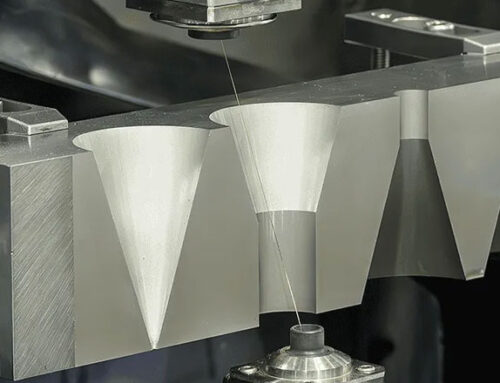
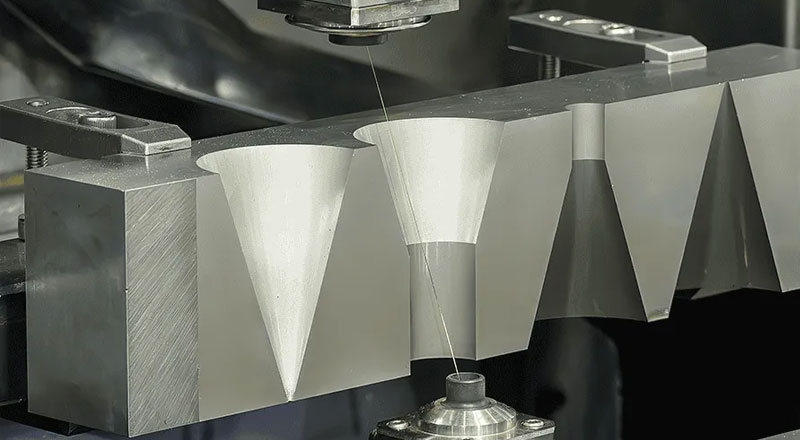
- Taper: ±3°–6° for die clearance; ±12°–15° or 5-axis for extrusion dies.
4. Look Inside the Machine
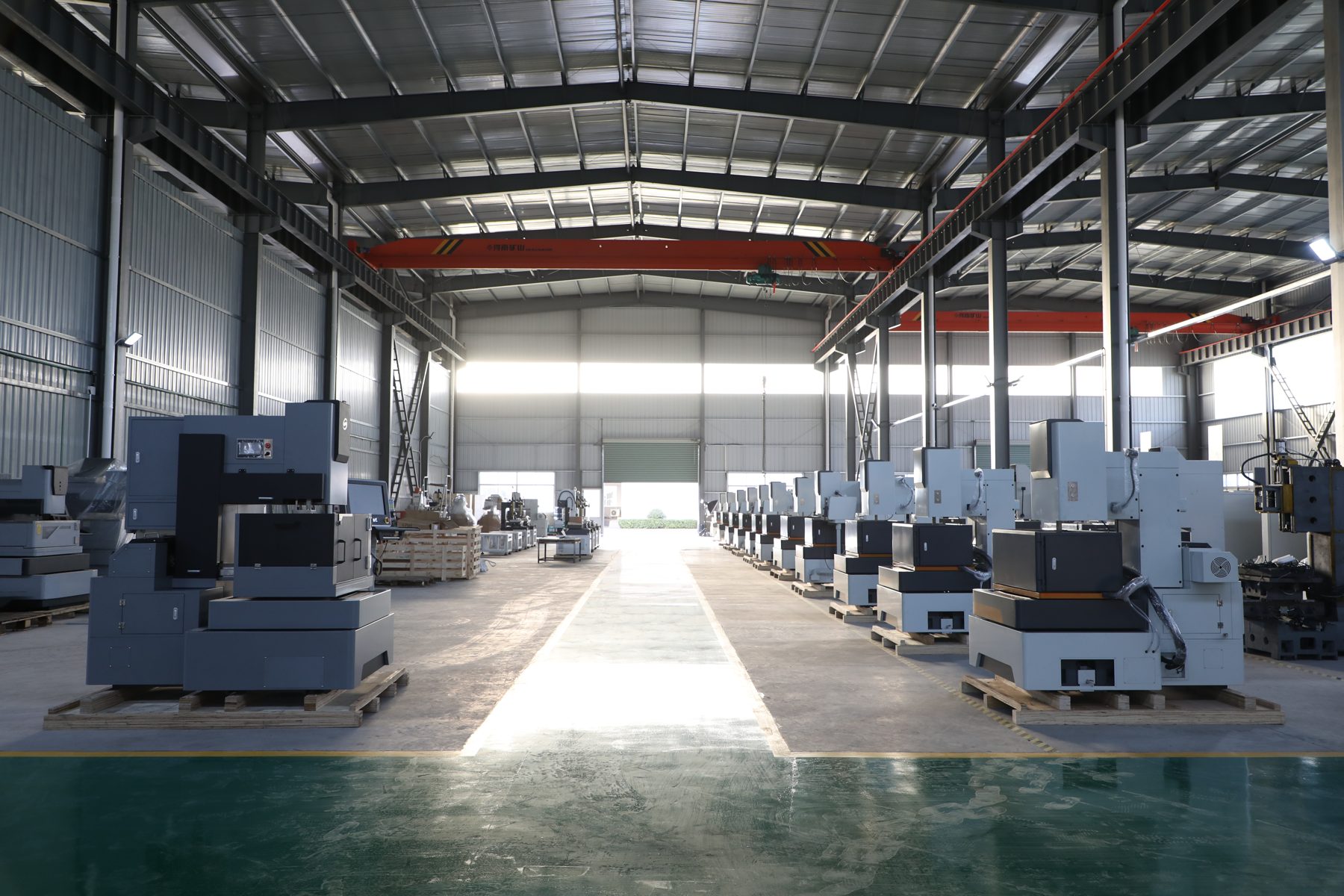
Two machines with the same brochure numbers can perform very differently after three years. Ask about the casting (stress-relieved?), linear guides and ball screws (brand?), servo drives, electrical components and how each machine is tested before shipment. Branded components such as Siemens, Panasonic, THK, PMI and Mean Well also mean faster local repairs.
5. Consider Automation
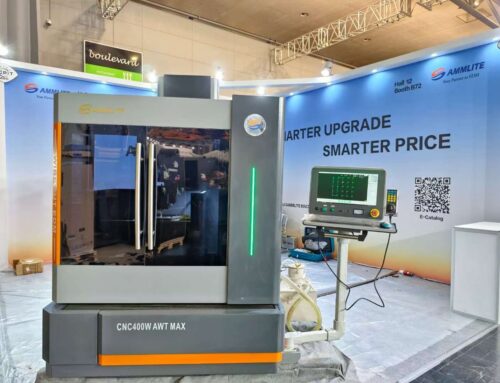
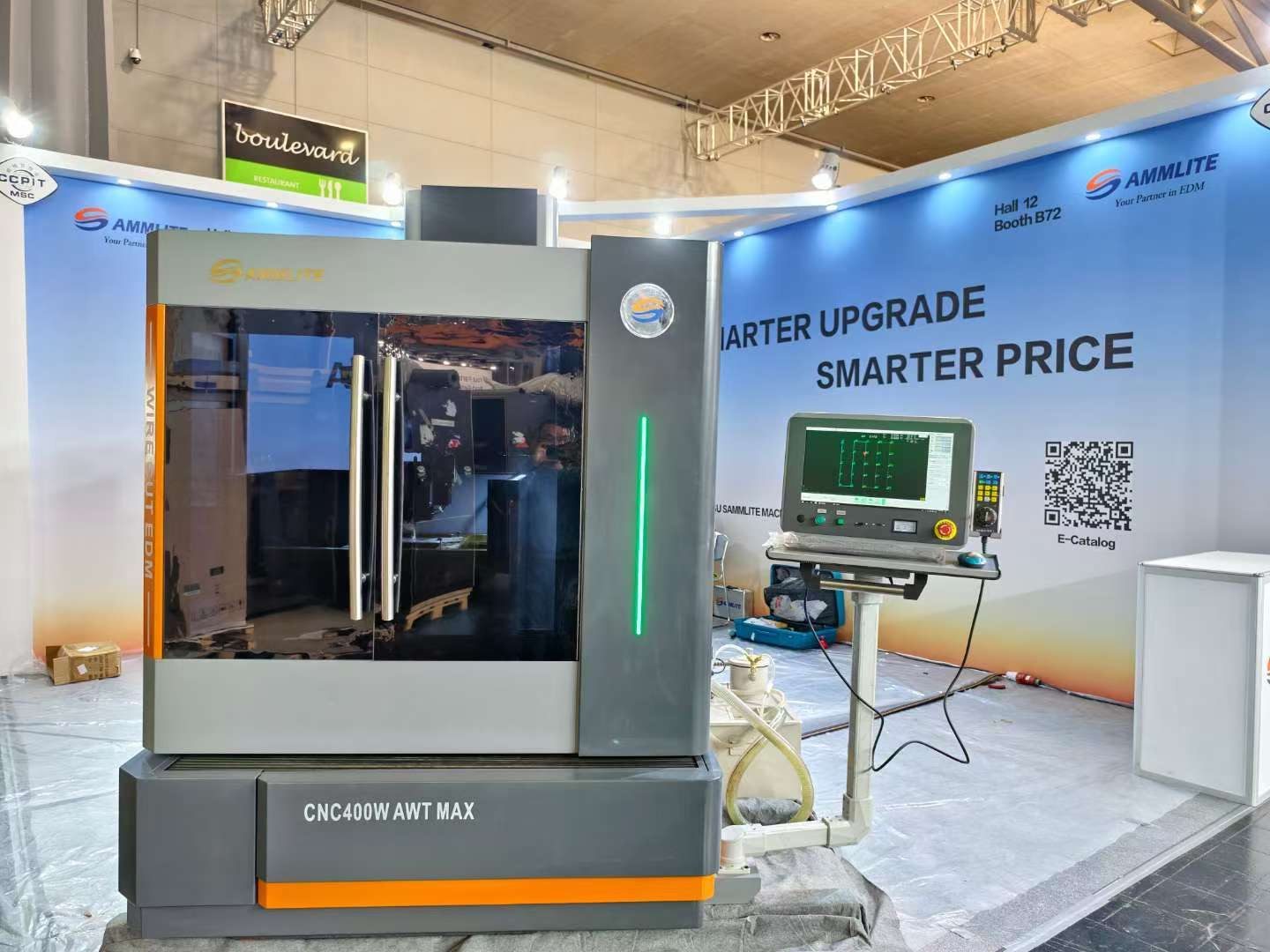
If one operator runs several machines or your parts have many start holes, automatic wire threading (AWT) can add hours of unattended cutting every day. Read how automatic wire threading works.
6. Count the Total Cost
Compare purchase price, shipping and installation, consumables (wire, fluid, filters), electricity, spare parts availability and downtime risk. The cheapest machine is rarely the lowest cost per part. Our wire EDM price guide breaks this down.
7. Check Support Before You Buy
- Is installation and training included?
- How fast are spare parts shipped?
- Is the control software in English and easy to learn?
- Can you visit the factory or see a live video of your machine being tested?
Which Sammlite Model Fits Which Shop?
| Your situation | Recommended model |
|---|---|
| First wire EDM, tight budget | CNC320CS / CNC400CS |
| Small–medium tool room | CNC320C / CNC400C or CNC320W / CNC400W |
| Large molds and dies | CNC500W / CNC630W, column-type CNC800W / CNC1000W |
| Tightest tolerances, variable taper | 5-Axis CNC |
| Unattended multi-hole production | CNC400W AWT / AWT MAX |



Leave A Comment